


 Join Us For Worship
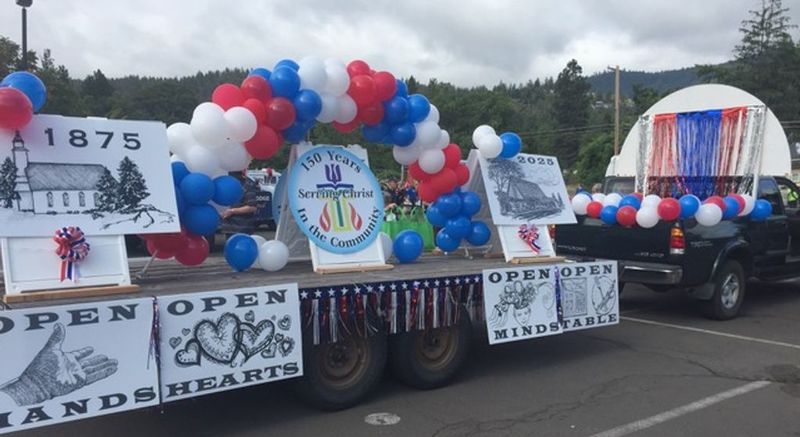 July 4 parade float celebrates 150 years of First Pres
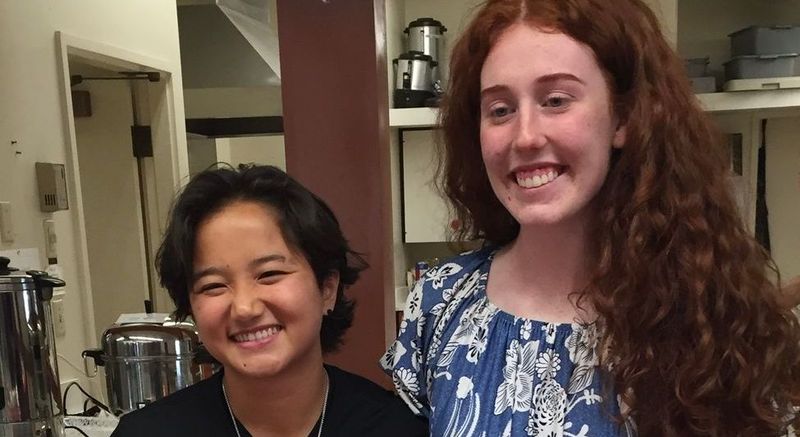 Michelle and Ayla celebrate the SOU softball team national championship.
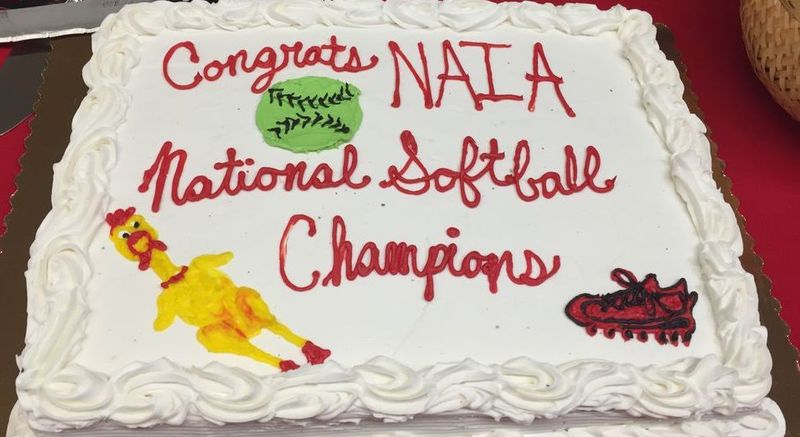 The cake says it all!
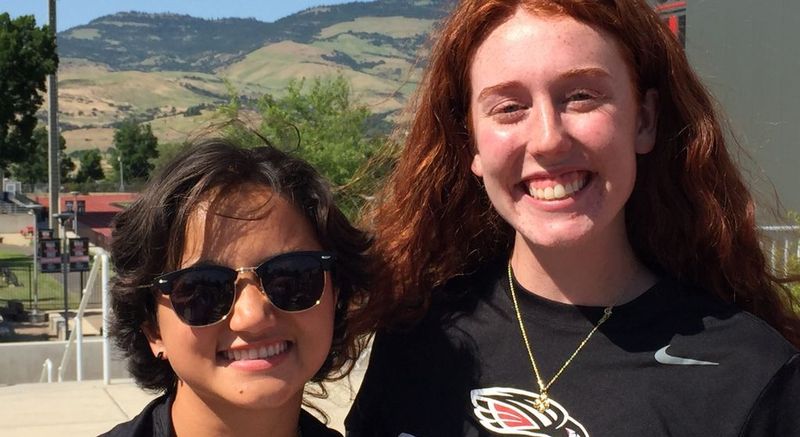 Michelle and Ayla after the trophy presentation.
 Pastor Dan helps celebrate the team vistory after the parade.
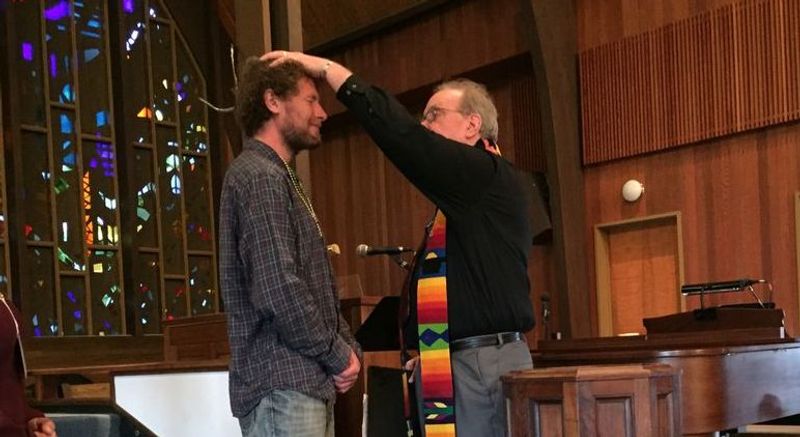 Iosua (Josh) is baptized by Pastor Dan
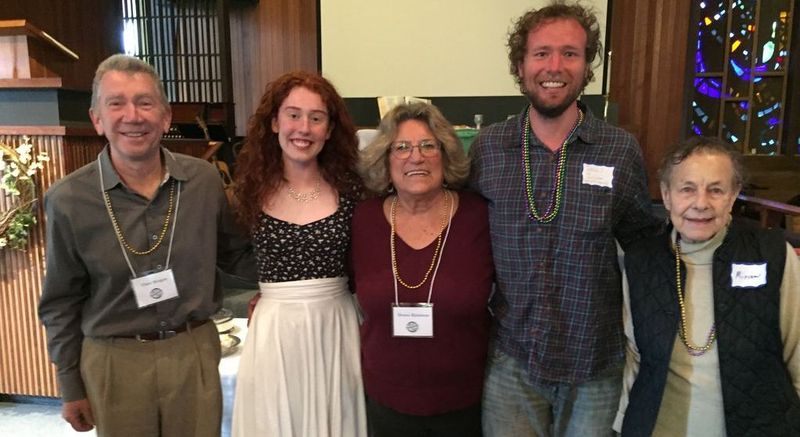 New members join First Presbyterian!
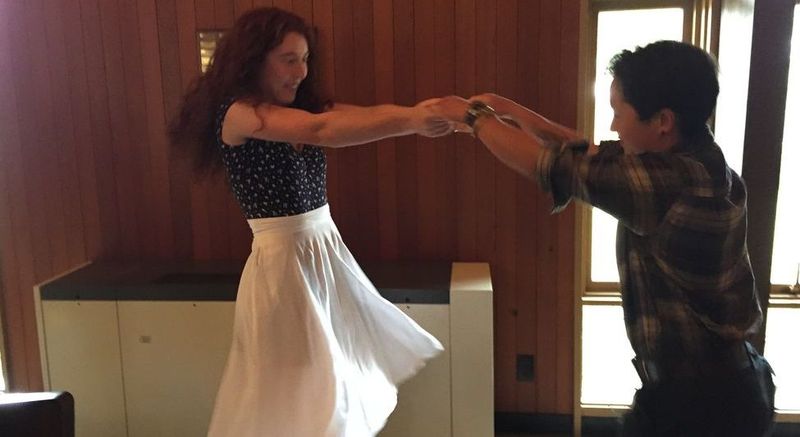 Ayla and Michelle dancing in the aisles to "When the Saints Go Marching In"
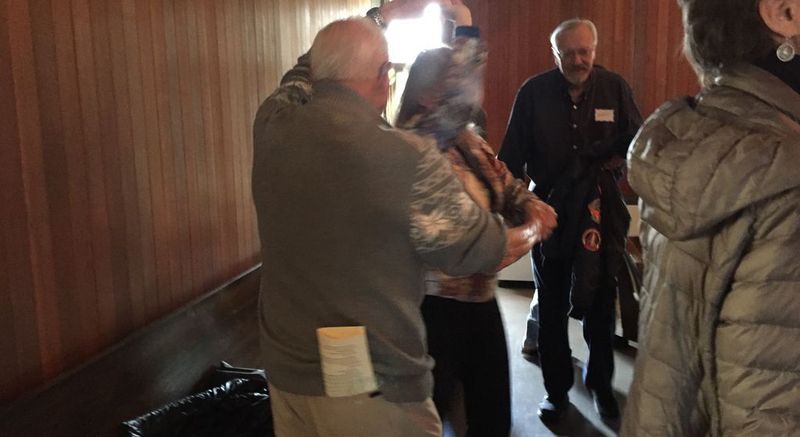 Gene and Carolyn enjoying the music, too.
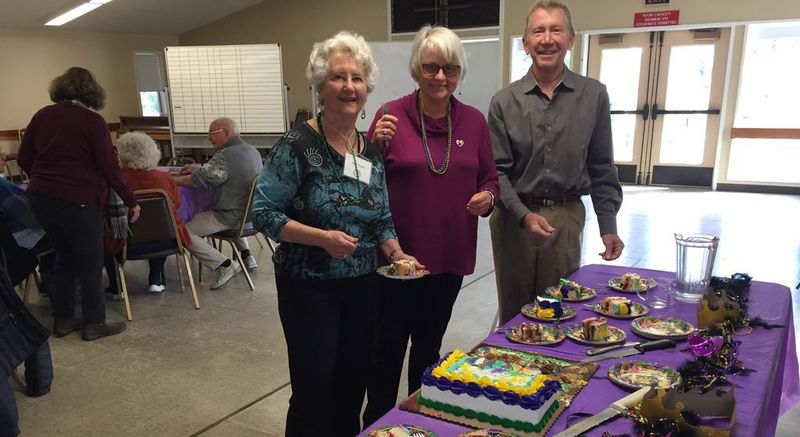 The Mardi Gras King Cake is a hit.
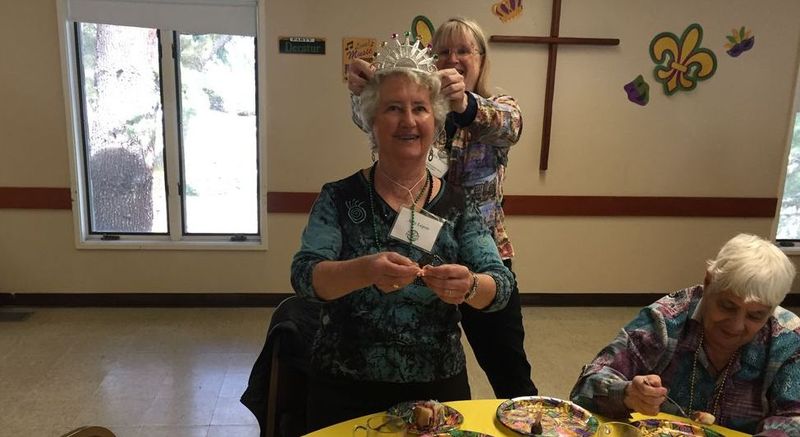 Queen for the Day
 King for the Day
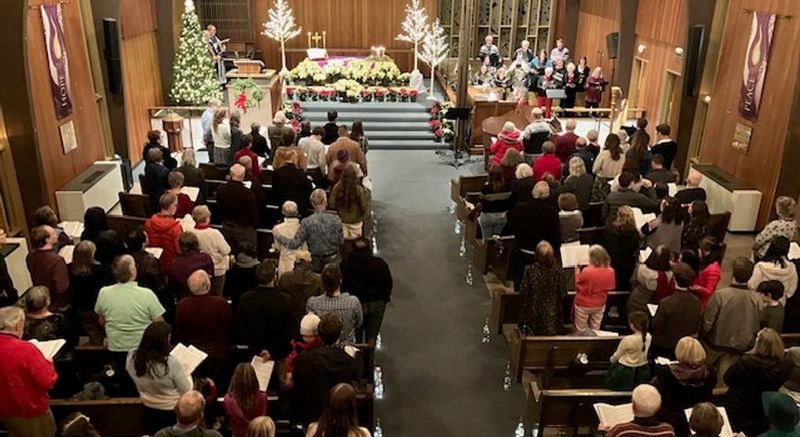 Full house for Christmas Eve candlelight service
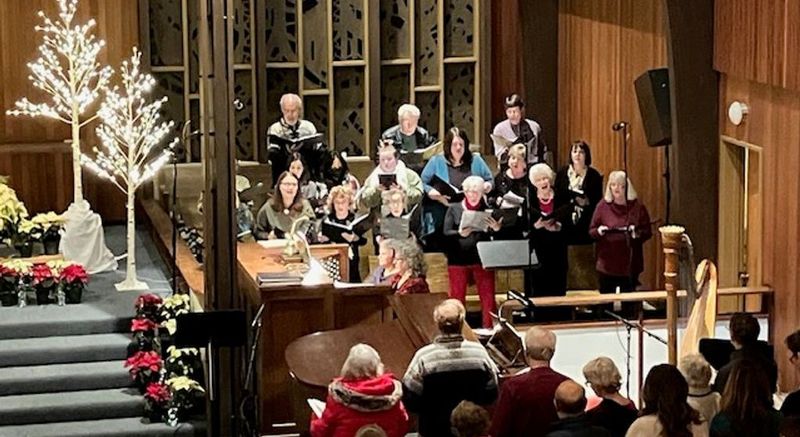 The choir was spectacular!
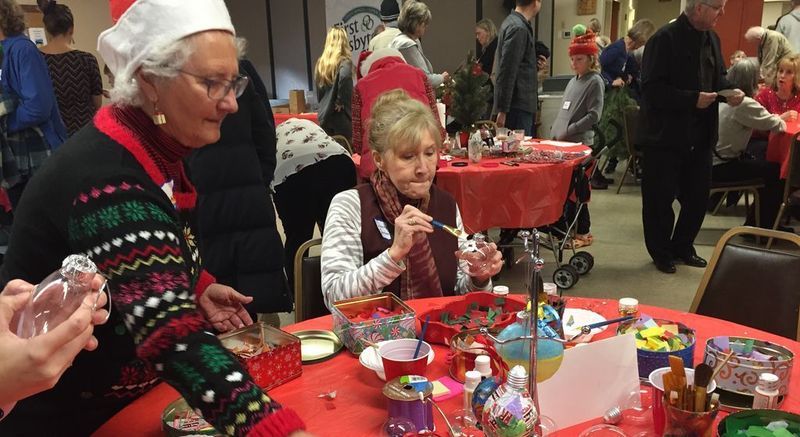 Mod Podge ornaments are always a hit at the Advent Fair.
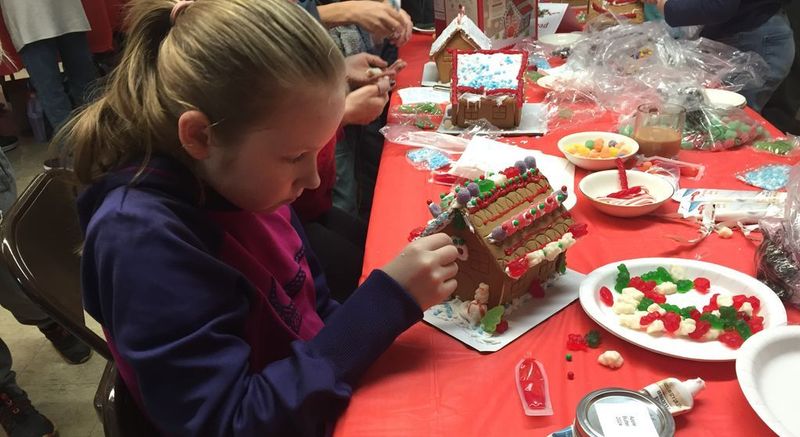 Gingerbread houses take a lot of concentration.
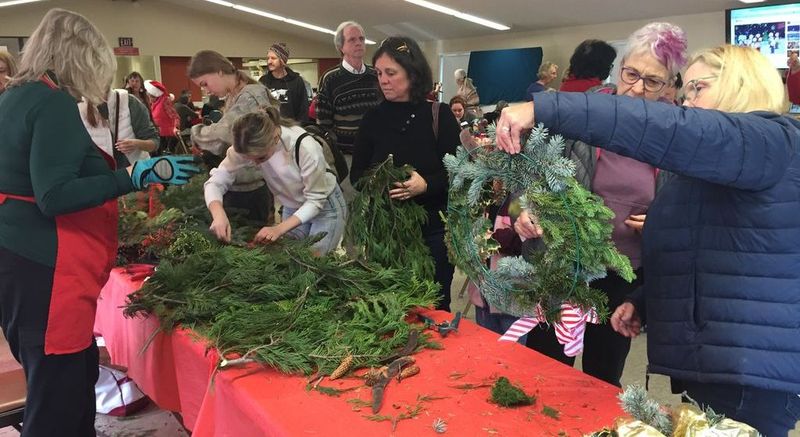 The wreath-making station is always popular.
 Dan making a Ukrainian egg ornament
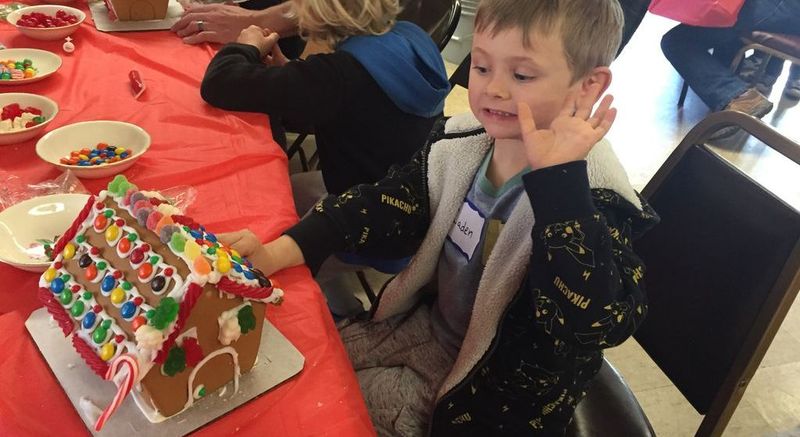 Another great gingerbread house!
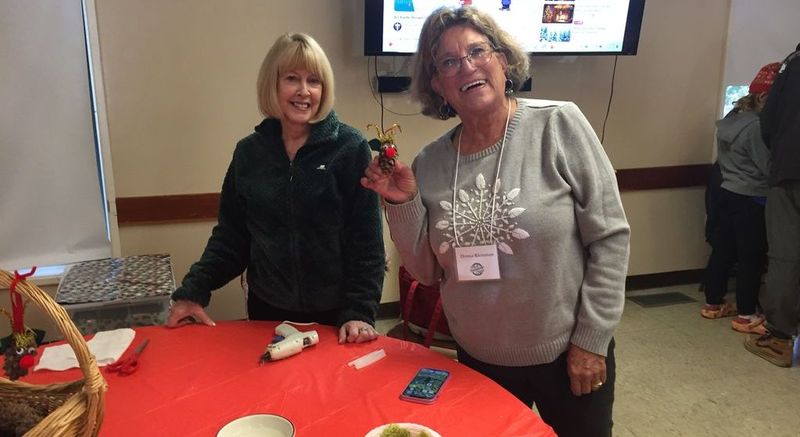 Sharon and Donna oversee the pine cone reindeer table.
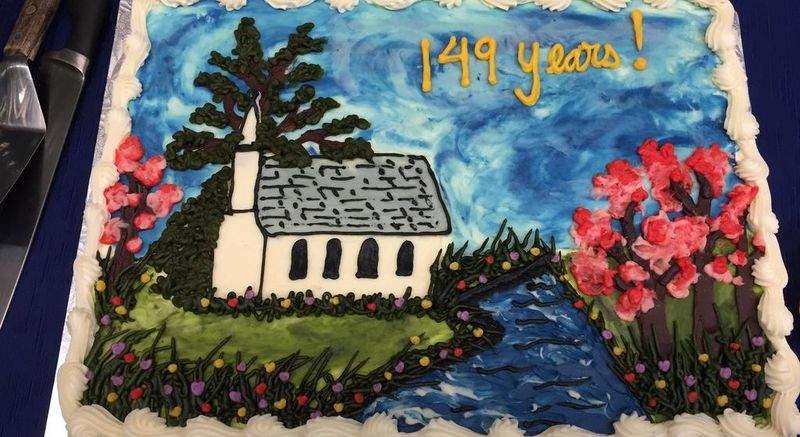 Celebrating 149 years of First Presbyterian Church of Ashland
 Welcome back, Dan!
 Grill masters at work
 Dan is back!
 Saying goodbye to Pastor Skip
 Presbyterian Women presented "Songs of Joy" to a receptive audience in May.
 Sam and Pat get ready for the bell choir audience participation.
 "Our" family speaks before the Habitat wall raising
 Pastor Dan blesses this house.
 Trish, Jill, and Tammy flex their wall-raising muscles.
 The wall is up!
 The family helps with the upright wall of their new house.
 Second wall going up!
 Flowering the cross on Easter Sunday
 New officers of the church receive blessings
 Decorations set the scene for Christmas Eve worship.
 The choir prepares for Christmas Eve worship.
 Christmas Eve service ends with song and joyful candle lighting.
 Dan and Laurie Anne at the Cookies and Carols event.
 Dan led us in singing Christmas songs.
 Singing songs of the season, waiting for cookies!
 "Tree Cookie" centerpiece table is ready to go for the Advent Fair.
 Sandra helping to make wreaths, while Dan signals his approval.
 Andrew is making his gingerbread house.
 'Lace Candles" station is a new one this year, thanks to Max and Michelle.
 Sharon helping with the "Pine Cone Reindeer" craft.
 "Mod Podge" ornaments are fun to make.
 "Cake in a Cup" is a delicious gift item.
 Lots of people enjoyed making centerpieces.
 Another artistic gingerbread house is created.
 Rev. Dan and Paula in their Oktoberfest outfits.
 Brian Almquist and Amy Lepon man the grilling station
 Polka Band
 Kathy, Dan, Paula, Ann, and Helga are all dressed up for the occasion.
 Dick and Alice Welton and Carolyn Johnson serve, as Paula Fowler gets some of the delicious German food.
 Elaine Morgan, Jim Holloway, Bea Berry, and Sam Alvord enjoying the ambiance.
 Brooke Clifford, Randy Stothers, and neighbors enjoying the music and food
 Barbara Marsh was celebrated on her 95th birthday!
 Don Taper and Larry Westland received quilts of valor.
 Goodbye breakfast for Lawrence and Virginia King
 "Laying hands" on Shirley Patton during worship.
 Paula Sohl, Lynn and Steve Fain sing for Shirley's farewell party.
 Shirley acknowledges all the good wishes people have shared.
 Leslie Rice and Scott Bandoroff lead off the Ukrainian float

 Lena Zhivotovsky waving from the Ukrainian float
 David, Laura, Jack and Morgan get a send-off with laying on of hands.
 Laura and Jack on their last Sunday with us.
 Samoan Club students from SOU sang during the Pentecost service.
 Reading Scripture in Samoan
 Reading Scripture in Russian
 Sarah with her bunny
 Sandra making some serious Tootsie Pops crafts
 Easter bonnets are a hit.
 Pet the bunny!
 Andrew loves the bunny.
 Bea and Amy enjoying the day
 Dick and Alice helping kids decorate their cupcakes
 Baby Jack enjoying his first Easter with Dad
 Who's having more fun?
 Choosing just the right flower to plant
 "In my Easter bonnet. . . ."
 The Collins family enjoying the Easter vibe
 Coloring Easter eggs
 Easter morning
 He is Risen!
 The flower cross on Easter Sunday
 Proud parents Laura and David with Jack
 Baptism of Baby Jack Nile Tuell
 Baby Jack is presented to the congregation
 Welcome Baby Jack
 David shows off Baby Jack
 Our wonderful family from Ukraine: Mike, Lena, Kostia, and Andrew
 Pet Blessing service
 Sam and Pat Alvord, grandkids and pet
 Younghee and Morgan
 Wellness Pet Supplies brought treats for dogs and cats.
 Donna and LingLing
 Dan and Paula with their dog
 Howdy and Sally
 Gracie gets a blessing from Dan.
 New members Scott and Julie Lawson, Cathy Carl and Larry Westland
Welcome
The First Presbyterian Church of Ashland welcomes and affirms the entire human family. We are committed to Christ's sacred hospitality, inviting people of all races, ages, genders, sexual orientations, and mental and physical conditions to join us. Through Christ's grace, we are dedicated to doing justice, loving kindness, and walking humbly with God.
Our congregation honors the fact that the land you are standing on is the ancestral homeland of the Shasta, Takelma, and Latgawa peoples, displaced in the 1850s by colonization and warfare and removed to reservations.
Please join us in person (masks are now optional). We have an 8 am service in the Heritage Chapel and a 10 am service in the sanctuary. If you joined us for the in-person 10 am service, you are invited to join us for fellowship in Calvin Hall following the service.
If you are more comfortable watching from home, please click on the button at the top to join us for our 10 am virtual worship service on YouTube.
Announcements
Virtual Fellowship Pad
If you are joining us online, please fill out the form below to let us know.
8926*_*Virtual Friendship Pad
Online Form Placeholder Box
Chosen Form: Virtual Friendship Pad
When you view the live version of this page, you will see a form in place of this box. Double-click on this placeholder box to change which form displays. To remove this form from the page, select this box and hit the delete key.
First Time Visitors
If this is your first time visiting us (or you have been watching, but never come in person), please fill out the form, and we will send you a jar of homemade jam.
8120*_*First Time Visitors
Online Form Placeholder Box
Chosen Form: First Time Visitors
When you view the live version of this page, you will see a form in place of this box. Double-click on this placeholder box to change which form displays. To remove this form from the page, select this box and hit the delete key.
Electronic Giving
We can accept your pledges online with PayPal Giving Fund. Just click on the button below to be taken to the PayPal Giving Fund page which will allow you to make your monthly pledges manually (donations are deposited to the church on or before the 25th of the following month).
If you wish to make recurring payments fees, click on the link below to set that up.
Join Us on Facebook

Community help available
FPC has overnight parking spots available through the city's Safe Parking Program for those who are experiencing homelessness. You may request a spot by calling the OHRA Community Resource Center at 541-631-2235.
Our Little Free Pantry is located on Clark Ave. near the steps to the parking lot. Feel free to leave non-perishable food for others—or take what you need. If you live in the area, you may also visit the Ashland Emergency Food Bank on Clover Lane.
Our church office can help you in an emergency with bus tokens, gas money, or snack vouchers during office hours. If funds run low, a note is posted on the office door.
If you have medical questions, Dr. John Sager is available to answer your questions by email (jsag03@gmail.com). You don't need to be a patient of his, and the advice is free of charge.


